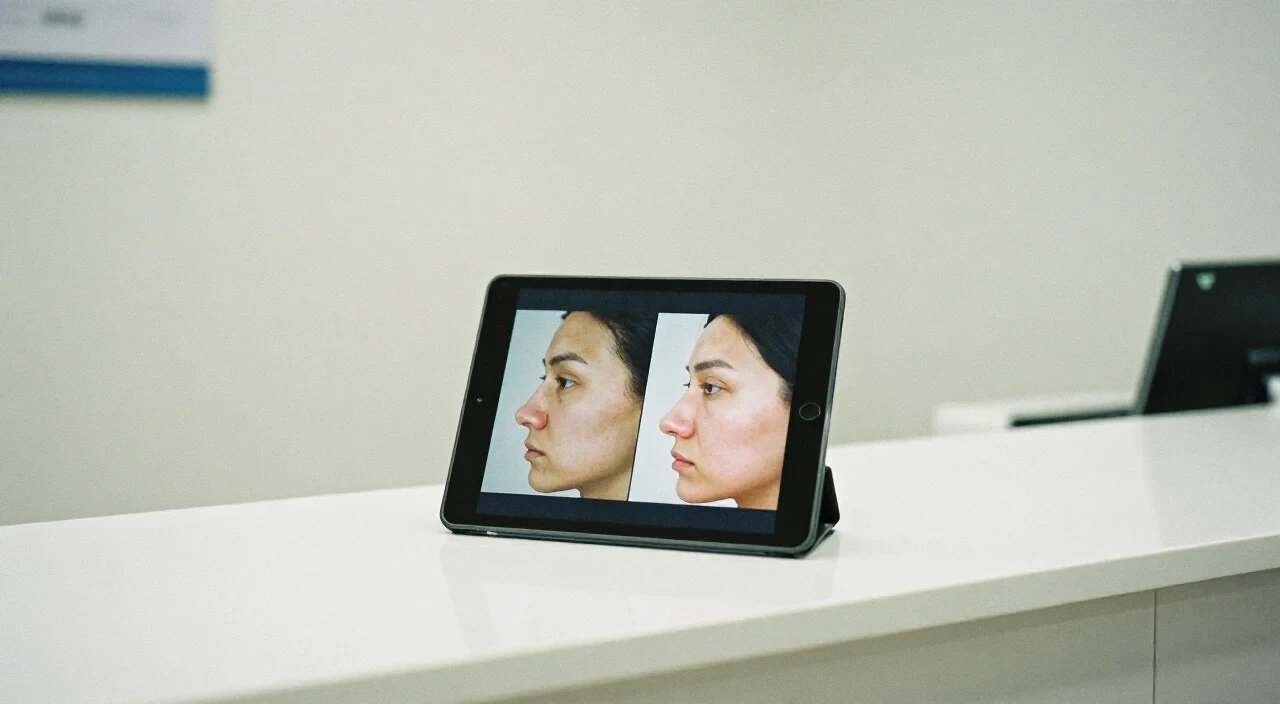
Rhinoplasty social media amplifies how the public views nose surgery, often showcasing idealised results that set unrealistic expectations. Managing this perception requires transparent communication, realistic imaging, and a consistent online brand that balances aesthetic inspiration with honest medical information for prospective patients.
Table of Contents
- 01How does social media shape public perception of rhinoplasty?
- 02What steps can a rhinoplasty clinic take to present realistic results online?
- 03How can patients protect themselves from misleading before-and-after images?
- 04When should a professional be consulted about a social-media-driven decision?
- 05Frequently asked questions
- 06Read next
Key takeaways
- Social media often exaggerates rhinoplasty results
- Authentic content builds trust
- Patients should verify surgeon credentials
- Consult a professional before acting on trends
How does social media shape public perception of rhinoplasty?
Social platforms flood users with curated before-and-after photos, celebrity endorsements, and short video clips, creating a narrative that rhinoplasty is a quick, risk-free makeover. This constant exposure skews expectations, making the procedure appear universally suitable and downplaying recovery time, possible complications, and individual anatomical limits.
Algorithms prioritize posts that receive high engagement, so striking images are shown repeatedly while nuanced discussions are buried. Influencers may partner with clinics, presenting a single success story as the norm. This creates a feedback loop: viewers assume the highlighted outcomes are typical, and clinics feel pressured to post only the most dramatic transformations.
Common misconceptions include:
- "All noses can be reshaped dramatically without surgery"
- "Recovery is painless and takes only a few days"
- "Results are permanent regardless of age or skin quality"
Addressing these myths requires proactive education: posting videos that explain the consultation process, sharing timelines for swelling reduction, and highlighting the role of individual anatomy in final aesthetics.
What steps can a rhinoplasty clinic take to present realistic results online?
A clinic should combine authentic patient stories with medically accurate imaging, disclose the full treatment timeline, and avoid excessive retouching. By setting clear guidelines for content creation and encouraging honest dialogue, the practice builds trust while still offering visually appealing material.
First, obtain written consent for each photo and record the original, unedited image alongside any post-production adjustments. Publish a side-by-side comparison so viewers see what was altered. Second, accompany each case with a brief narrative that outlines the patient’s initial concerns, the surgical plan, and the expected healing milestones.
Checklist for each post:
- Verify surgeon’s license and clinic name are visible
- Include before, immediate post-op, and 6-month follow-up photos
- State typical swelling duration (4-12 weeks)
- Mention possible need for revision or touch-up
- Avoid filters that change skin tone or nose shape
When a clinic consistently follows these practices, followers learn that the journey involves both art and medical precision, reducing the risk of disappointment later.
How can patients protect themselves from misleading before-and-after images?
Patients should verify the surgeon’s credentials, request unedited photos, and compare multiple cases rather than relying on a single post. Understanding that lighting, angles, and digital enhancement can alter appearance helps keep expectations realistic in the decision-making process.
Start by checking that the surgeon is registered with the relevant Belgian medical authority and has specific training in facial plastic surgery. Ask the clinic for the original, high-resolution images and inquire about the time points when they were taken (e.g., pre-op, 1-week post-op, 6-months). Compare at least three different patients of similar skin type and age to see the range of outcomes.
Red flags include:
- Heavy use of filters or “beauty” apps
- Absence of post-op follow-up photos
- Vague statements about “instant results”
- Lack of disclosure about swelling or scar care
By gathering this information before the first consultation, patients enter the conversation with a realistic baseline and can ask targeted questions about their own anatomy.
When should a professional be consulted about a social-media-driven decision?
If an online trend sparks interest, a consultation should occur before any commitment, allowing the surgeon to evaluate facial anatomy, discuss realistic outcomes, and outline risks. Professional advice replaces speculation with personalized medical insight, ensuring the chosen procedure matches the patient’s health and aesthetic goals.
During the appointment, the surgeon will conduct a physical exam, review medical history, and use computer-aided imaging to simulate potential results. This session clarifies whether the desired change is achievable through rhinoplasty or if alternative approaches (e.g., non-surgical fillers) might be more appropriate.
Key moments to schedule a visit:
- After seeing a before-and-after that feels too perfect
- When a celebrity’s look becomes a personal goal
- If a clinic’s promotional video omits recovery details
- Whenever uncertainty arises about long-term effects
A professional evaluation helps separate hype from viable options, protecting both health and finances.
Always ask for the original, unedited photo and the surgeon’s notes on the case; this reveals any post-production changes and clarifies what was achieved naturally.
Frequently asked questions
Is it safe to base a rhinoplasty decision on Instagram trends?
Relying solely on trending posts can be risky because they often hide the full recovery story and individual variations. A qualified consultation provides the medical context needed to determine whether the trend matches personal anatomy and health.
Can a surgeon remove or edit a photo after posting?
Yes, surgeons may update or replace images, especially if a patient requests privacy or if the original photo no longer reflects the final outcome. Requesting the original file at the time of consultation ensures a transparent record.
What privacy concerns exist when sharing rhinoplasty results?
Posting before-and-after photos can expose personal identifiers, such as tattoos or unique facial features. Patients should confirm consent forms cover online use and consider anonymising details if they wish to protect their identity.