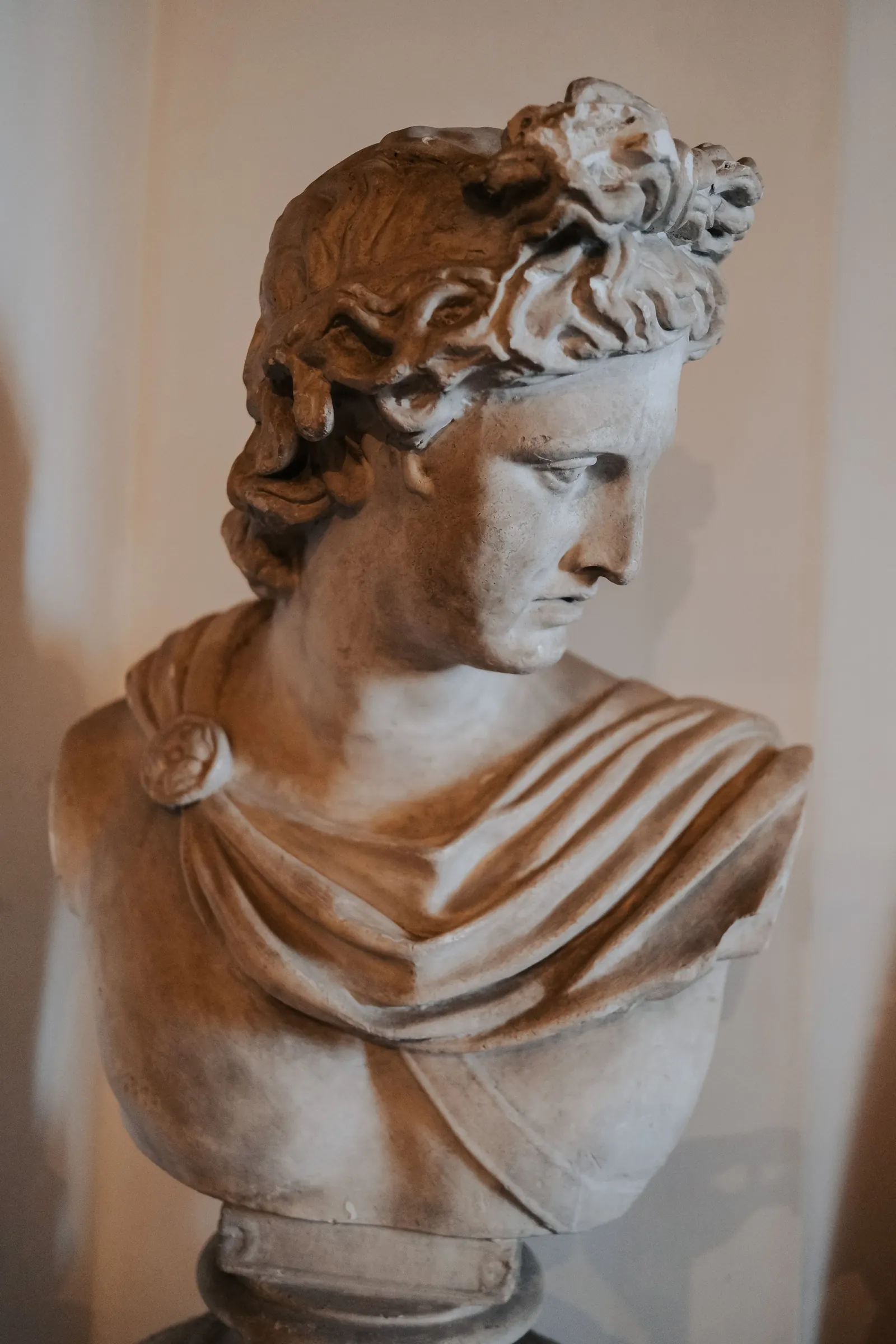
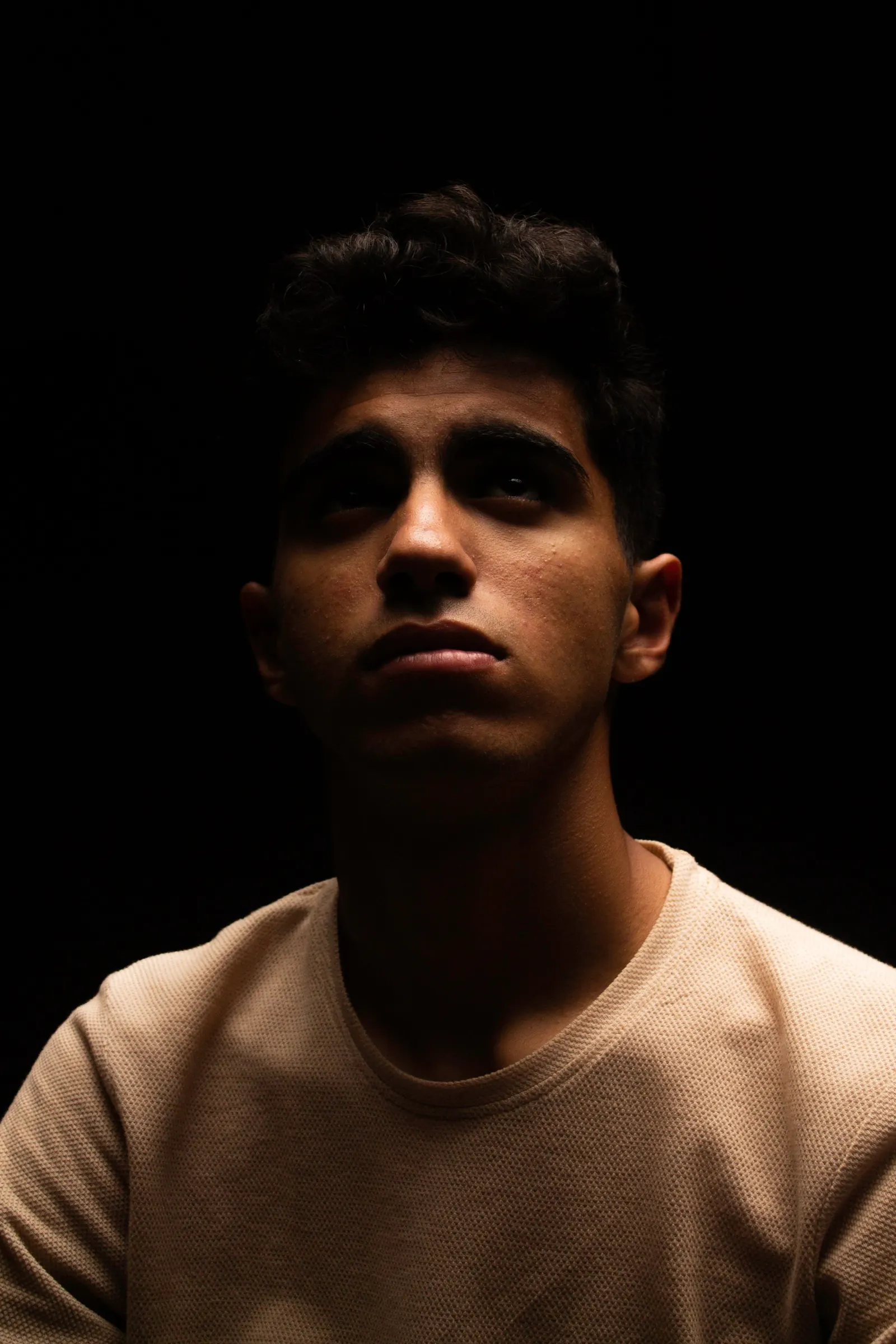
FIG. 01 — Lateral view · illustration
The art of the profile.
Rhinoplasty planned around proportion — the nose in balance with the brow, the lips and the chin, and breathing treated as seriously as shape.
01 — Principle
A good rhinoplasty is rarely noticed. People see a face that looks rested, balanced and entirely your own — not a new nose.
Nasion
The deepest point between the eyes. Where the nose begins — and where the profile first reads as soft or sharp.
Nasofrontal angle
The angle between forehead and bridge. Values of roughly 115–135° are often cited as balanced; the right answer depends on your face.
Dorsum
The bridge. A hump here is the most common reason people consider rhinoplasty, and it can often be reduced or preserved selectively.
Tip
Shape, projection and rotation. The most delicate part of the operation — small changes read as large ones.
Nasolabial angle
Between the columella and the upper lip. Commonly quoted ranges sit around 90–110°, with differences between individuals.
The chin
A nose is judged against the chin. Sometimes the most proportionate plan involves both — or neither.
03 — Method
Cartilage and bone are shaped by millimetres. The plan is made before the first incision — measured, simulated and discussed with you.
04 — Procedures
Four ways in.


05 — Planning
Millimetres, not makeovers.
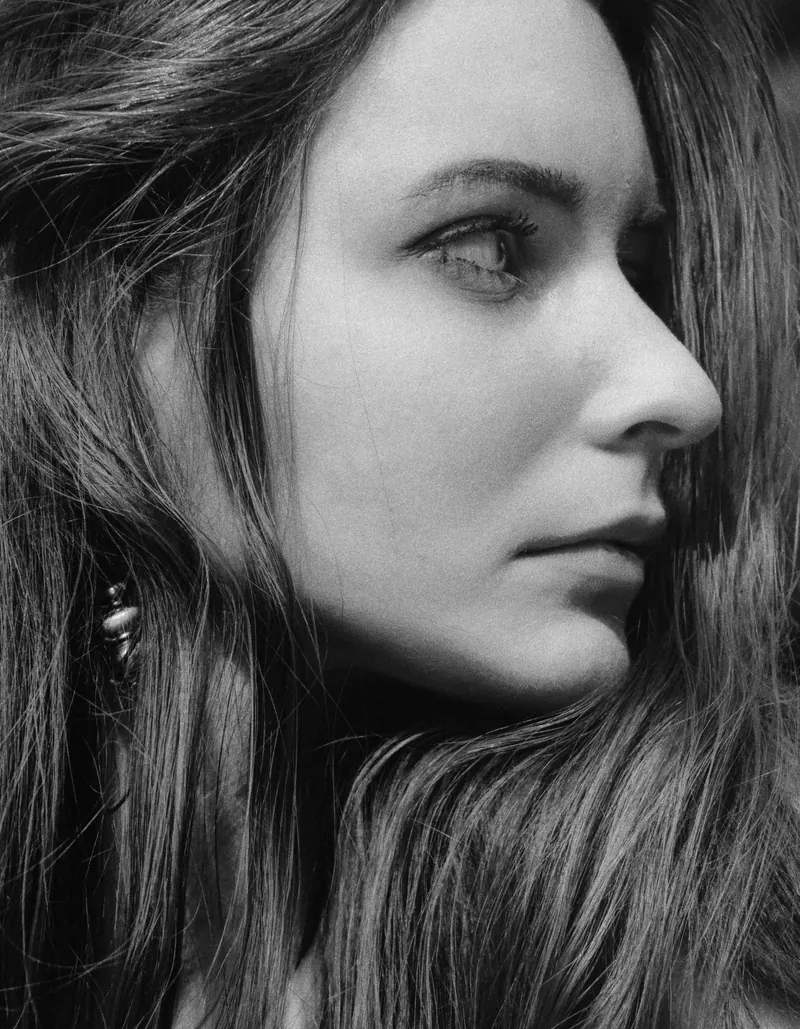
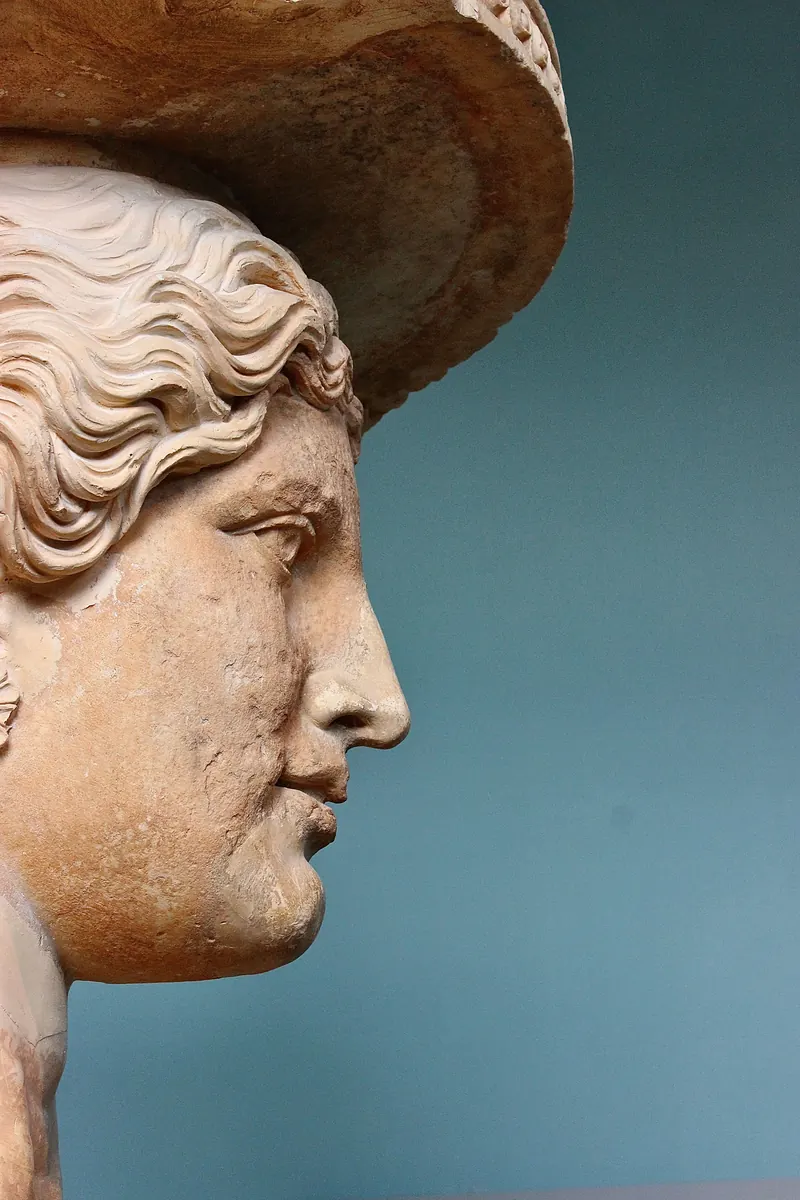
Drag the handle to see how a reduced hump and a slightly lifted tip change two key angles. This is a drawing to explain the idea — never a prediction of your result.
- Nasofrontal
- 129°
- Nasolabial
- 103°
06 — Recovery
A year, in stages.