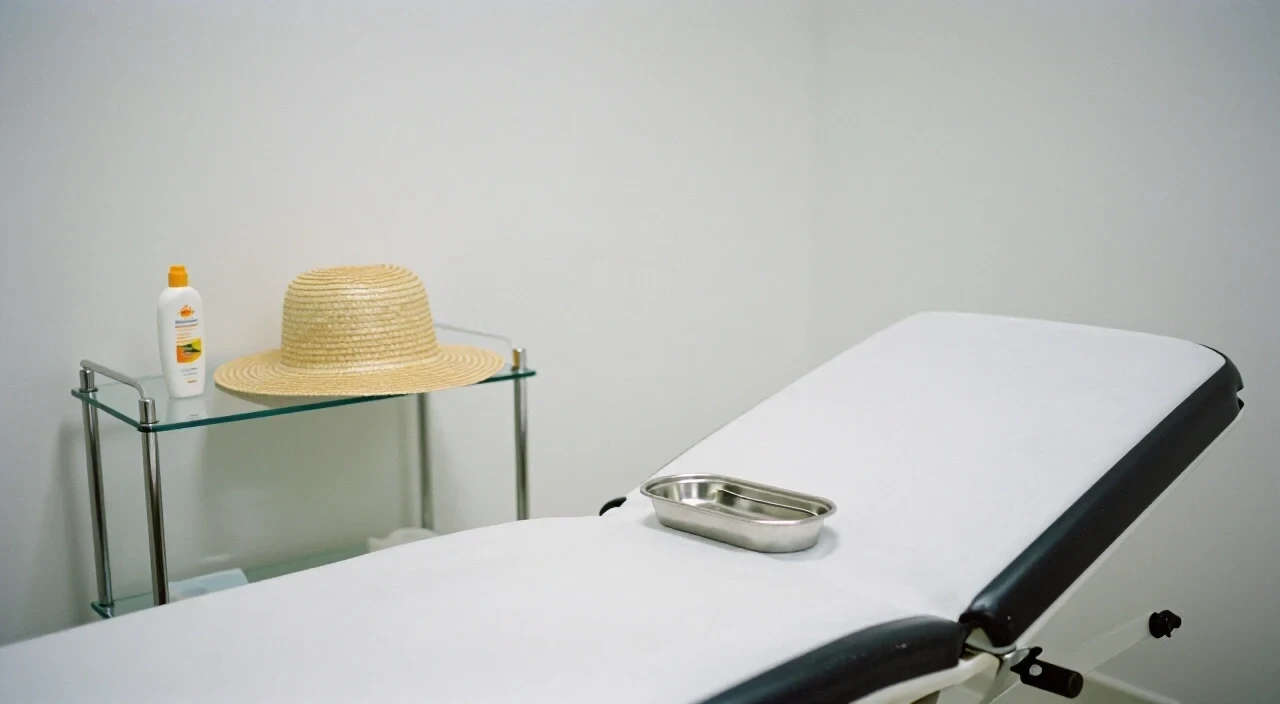
The nose that has just undergone rhinoplasty remains vulnerable to ultraviolet rays; even after stitches are removed, the scar tissue can hyper-pigment and thin. Consistent summer UV protection nose strategies—broad-spectrum sunscreen, protective clothing, and limited peak-hour exposure—prevent discoloration and support optimal healing.
Table of Contents
- 01How does summer UV damage affect a newly healed nose?
- 02What sunscreen products are safe for rhinoplasty aftercare summer?
- 03Which daily habits help reinforce summer UV protection for the nose?
- 04When should a follow-up appointment be scheduled if sun exposure causes concerns?
- 05Frequently asked questions
Key takeaways
- Apply mineral sunscreen with SPF 30+ daily
- Re-apply every two hours in direct sun
- Use a wide-brimmed hat and seek shade between 10 am-4 pm
- Report any sunburn or discoloration to your surgeon promptly
How does summer UV damage affect a newly healed nose?
UV radiation accelerates melanin production in fresh scar tissue, leading to a darker, uneven appearance on the operated nose. It also weakens collagen remodeling, which can lengthen recovery time. Protecting the nose from summer sun therefore preserves the intended shape and colour of the result.
Ultraviolet light stimulates melanocytes, the cells that create pigment, to over-produce melanin where the skin is still remodeling. This can turn a pink-white scar into a brownish patch that may persist for months. Additionally, UV-induced collagen breakdown slows the strengthening of the nasal framework, potentially altering the final contour.
To minimise these effects, keep the nose covered during the most intense sunlight hours (10 am-4 pm). Apply sunscreen before stepping outside, and reapply after swimming, sweating, or towel-drying. In Antwerp, the summer UV index often reaches moderate to high levels, so vigilance is especially important during July and August.
Common mistake: assuming that a healed incision no longer needs protection. Even after the scar appears faint, the underlying tissue remains sensitive for up to a year. When in doubt, ask the clinic for a personalized UV-protection plan.
What sunscreen products are safe for rhinoplasty aftercare summer?
A broad-spectrum sunscreen with SPF 30 or higher, formulated for sensitive skin, is safest after rhinoplasty. Look for mineral-based options containing zinc oxide or titanium dioxide, as they sit on the skin rather than penetrate, reducing irritation around during sutures and scar tissue.
Mineral sunscreens create a physical barrier that reflects UVA and UVB rays. Because they do not require chemical absorption, they are less likely to cause stinging on freshly scarred areas. Choose a fragrance-free, non-comedogenic formula to avoid clogged pores on the nasal bridge.
Application steps:
- Clean the face with a gentle, pH-balanced cleanser.
- Allow the skin to dry completely (about 5 minutes).
- Apply a pea-size amount to the entire nose, spreading evenly to the edges of the scar.
- Wait at least 30 minutes before exposure to let the product bind.
Re-application is essential after any water activity, heavy sweating, or wiping the nose. If a product causes redness, discontinue use and switch to another mineral option. Profil Rhinoplasty Atelier can recommend specific brands available in Antwerp pharmacies.
Which daily habits help reinforce summer UV protection for the nose?
Wearing a wide-brimmed hat, seeking shade between 10 am and 4 pm, and keeping the nose clean of sweat are daily habits that reinforce UV protection. These measures limit direct UV contact and prevent salt or chlorine from aggravating on the healing skin incision.
A hat with at least a 3-inch brim creates a shadow that blocks up to 90 % of direct UV rays. Pair it with lightweight, UPF-rated clothing for the neck and cheeks, which often receive reflected sunlight from pavement or water.
Stay hydrated to maintain skin elasticity; dehydration can make scar tissue more prone to cracking under sun exposure. After outdoor activities, gently pat the nose dry with a soft towel—avoid rubbing, which can disturb sutures or fresh scar tissue.
When swimming in the sea or a pool, apply a water-resistant sunscreen and re-apply every 80 minutes, as chlorine and salt can degrade the protective film. In Antwerp’s summer, occasional cloud cover does not eliminate UV risk; clouds can filter visible light but still allow up to 80 % of UV radiation through.
Apply sunscreen at least 30 minutes before stepping outdoors and reapply every two hours, or sooner after swimming, sweating, or towel-drying.
When should a follow-up appointment be scheduled if sun exposure causes concerns?
If a sunburn or unexpected discoloration appears on the nose within the first three months, schedule a follow-up with your surgeon promptly. Early assessment allows the clinician to adjust aftercare, prescribe topical treatments, or recommend temporary shading to avoid permanent pigment changes.
During the appointment, the surgeon will examine the scar’s colour, thickness, and any signs of inflammation. They may suggest a short course of a silicone gel or a mild corticosteroid cream to calm hyper-pigmentation. In some cases, a brief period of medical-grade photoprotection (e.g., a custom-fitted UV-blocking mask) is advised.
Do not wait for the discoloration to fade on its own; prolonged UV exposure can embed pigment deeper, making later correction more difficult. Bring a list of the sunscreens and moisturisers you have used, as certain ingredients can interact with prescribed topical agents.
If the issue is limited to mild redness, increasing shade time and re-applying sunscreen may be sufficient. However, any persistent change beyond two weeks warrants professional review to rule out complications such as hypertrophic scarring.
Frequently asked questions
Can I apply sunscreen immediately after surgery?
Yes, once the initial dressing is removed (usually after a few days), a gentle mineral sunscreen can be applied. Start with a thin layer and monitor for any stinging; if irritation occurs, wait another day before re-applying.
How often should I reapply sunscreen on my nose during summer?
Reapply every two hours under direct sun, and immediately after swimming, sweating, or towel-drying. In Antwerp’s high UV index months, a stricter schedule—every 80 minutes for water-resistant formulas—helps maintain protection.
Is a hat enough protection if I have a recent rhinoplasty?
A hat provides valuable shade but does not replace sunscreen. UV rays can reach the nose from reflected surfaces and gaps around the brim. Combine a wide-brimmed hat with SPF 30+ sunscreen for comprehensive safety.