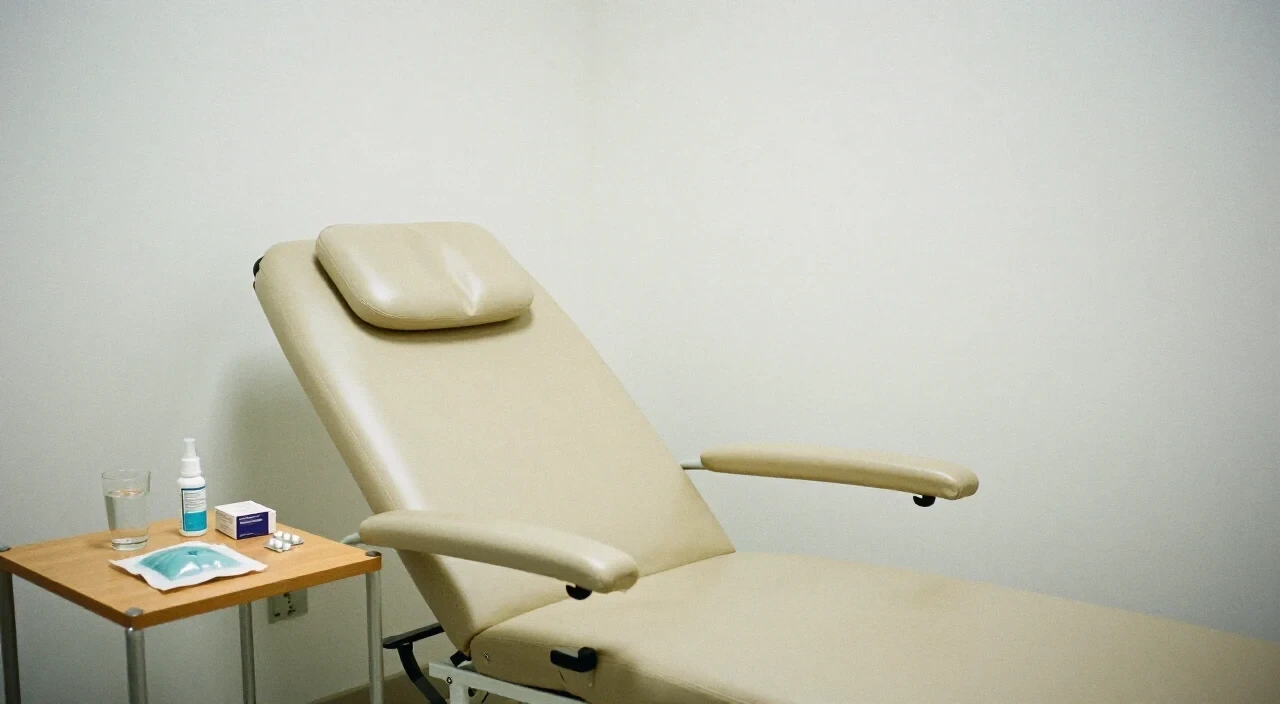
Post-op pain management rhinoplasty involves a short course of prescribed analgesics, simple home measures, and clear signs of when to seek medical help; most patients feel mild to moderate discomfort for the first 36-72 hours, with nasal tenderness that can linger for weeks.
Table of Contents
- 01How long does post-op pain usually last after rhinoplasty?
- 02What medications are safe and effective for post-op pain relief?
- 03Which non-medication pain relief strategies help with recovery?
- 04When should I contact my surgeon about pain after rhinoplasty?
- 05Frequently asked questions
- 06Sources
- 07Read next
Key takeaways
- Pain usually fades within 36-72 hours
- Nasal tenderness may last up to 3 months
- Acetaminophen-ibuprofen works as well as opioid combos
- Cold compresses, head elevation, and saline spray aid healing
How long does post-op pain usually last after rhinoplasty?
Typical post-op pain after rhinoplasty is mild to moderate and subsides within 36–72 hours, though a lingering nasal tenderness can remain for up to three months. Pain that persists beyond this period or intensifies should prompt a call to your surgeon for evaluation.
Most patients report that the first day feels like a mild pressure rather than sharp pain. By the second day the intensity usually drops, and by the third day many are comfortable sleeping on their side with a pillow under the head.
Nasal tenderness, a dull ache around the bridge and tip, can linger for weeks and even up to three months, especially after extensive cartilage reshaping. Gentle massage is discouraged; normal activities such as speaking and light chewing are usually tolerated.
Red-flag symptoms require immediate medical attention. These include pain that escalates after the initial 48 hours, pain unresponsive to the prescribed regimen, fever above 38 °C, or sudden increase in swelling. Contact the surgeon promptly if any of these appear.
- Pain worsening after 48 hours or not controlled by medication
- Fever or chills
- Excessive nasal bleeding or drainage
- Sudden swelling or deformity
- Vision changes or severe headache
What medications are safe and effective for post-op pain relief?
For most uncomplicated rhinoplasties, a scheduled regimen of acetaminophen combined with either ibuprofen or a low-dose opioid provides comparable relief; the AAO-HNS advises using physician-approved doses, avoiding self-medication, and limiting opioids to breakthrough pain only.
The AAO-HNS recommends pairing acetaminophen with either ibuprofen or a low-dose opioid such as hydrocodone. A 2026 randomized trial showed comparable pain scores between acetaminophen-hydrocodone and acetaminophen-ibuprofen, with the opioid group reporting more itchiness.
Typical dosing used in the study was acetaminophen 325 mg plus either hydrocodone 5 mg or ibuprofen 200 mg every four hours for five days, with tramadol reserved for breakthrough pain. These amounts are not a universal prescription; the surgeon will tailor the dosage to individual health factors.
In Belgium, opioid prescriptions are subject to strict pharmacy rules and may not be recognised in all EU countries, so discuss any cross-border travel plans with your surgeon. Non-opioid options are preferred when possible, and patients should avoid combining any product that also contains acetaminophen to prevent overdose.
- Verify surgeon-approved dose and schedule
- Do not exceed 4 g of acetaminophen per day from all sources
- Check for NSAID contraindications (e.g., ulcer, kidney issues)
- Keep opioid pills in a locked container and dispose securely after use
- Report any side-effects such as nausea, dizziness, or itching immediately
Which non-medication pain relief strategies help with recovery?
Cold compresses applied behind the ears, keeping the head elevated at least 30°, saline nasal sprays, and gentle avoidance of strenuous activity are the core pain relief strategies; they reduce swelling, support drainage, and minimise discomfort without medication.
Applying a cold compress for 10-15 minutes every two hours during the first 24 hours helps limit swelling. The pack should be wrapped in a thin cloth and placed behind the ears rather than directly on the nose to avoid pressure.
Elevating the head to at least a 30-degree angle—using extra pillows or a recliner—facilitates fluid drainage and reduces congestion. This position should be maintained while sleeping and during periods of rest for the first week.
Gentle saline nasal sprays keep the mucosa moist, promote clearance of crusts, and lessen irritation. Use a spray every 2–3 hours, especially after applying a compress, and avoid forceful blowing.
Physical exertion, heavy lifting, and bending over should be avoided for at least two weeks, as they raise blood pressure and can increase nasal swelling. Light walking is acceptable, but any activity that causes noticeable discomfort should be paused.
- Cold compress behind ears, 10-15 min, every 2 h (first 24 h)
- Head elevation ≥30° while resting or sleeping
- Saline spray 2–3 h, gentle nasal hygiene
- Limit exertion, no heavy lifting for 2 weeks
- Keep the nasal splint clean and dry as instructed
When should I contact my surgeon about pain after rhinoplasty?
If pain remains moderate to severe after 48 hours, worsens instead of improving, or is not relieved by the prescribed regimen, call your surgeon immediately; also seek help for fever, excessive bleeding, or sudden swelling, as these may signal complications.
Pain that remains moderate to severe after the 48-hour window, or that spikes suddenly, often signals inflammation or a minor infection that needs professional assessment. The surgeon may adjust medication, prescribe a short course of antibiotics, or schedule an in-office check.
Other warning signs include fever, persistent bleeding, unusual discharge, or a feeling of tightness that does not improve with elevation and compresses. In rare cases, vascular compromise or cartilage exposure requires urgent evaluation.
Most clinics, including Profil Rhinoplasty Atelier in Antwerpen, provide a direct after-care line for post-operative concerns. Call during office hours; if symptoms develop after hours, follow the emergency instructions given at your discharge.
- Pain unchanged or worsening after 48 h despite meds
- New fever ≥38 °C or chills
- Excessive bleeding or pus-like drainage
- Sudden swelling, deformity, or difficulty breathing
- Vision changes, severe headache, or neurological symptoms
Never place ice directly on the nose; always wrap the pack in a thin towel to avoid frostbite and pressure on the surgical site.
Frequently asked questions
Is it normal to feel pain after three days?
Mild discomfort can linger for up to a week, but moderate to severe pain should have decreased significantly by the third day. If the intensity remains high or gets worse, contact your surgeon to rule out complications.
Can I take ibuprofen without a prescription after rhinoplasty?
Ibuprofen is effective when approved by your surgeon, but it should only be used at the prescribed dose because it can affect bleeding and bone healing. Always confirm the dosage and duration with the clinic before starting.
What should I do with leftover opioid pills?
Store any unused opioids in a locked container away from children, then return them to a pharmacy for safe disposal. Do not share them with anyone, and inform your surgeon if you experience side-effects before discarding.